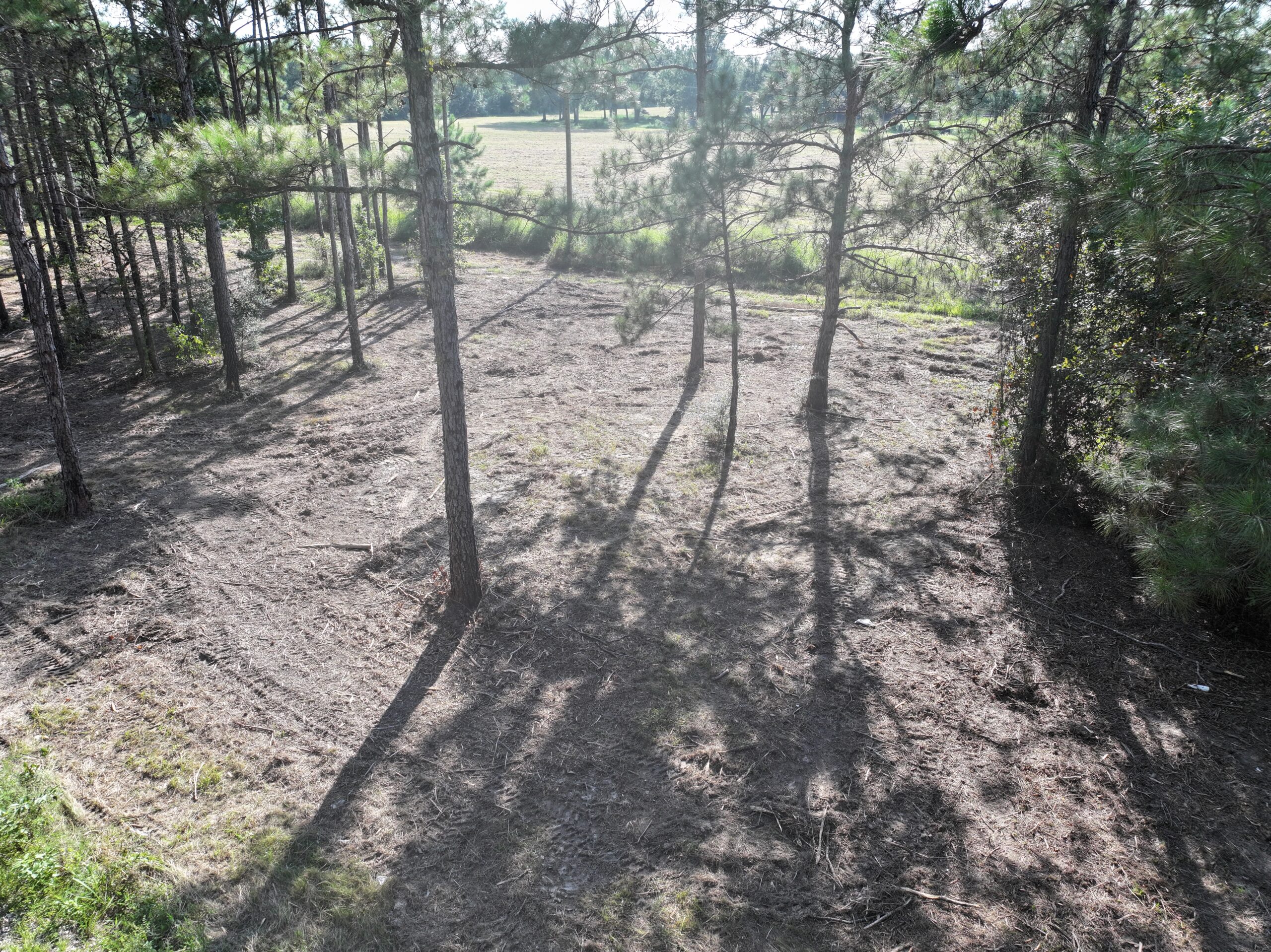
Land clearing is often the first big step toward building, farming, or improving property. While many property owners expect a flat rate, clearing prices can vary widely from one parcel to the next, because varying acreage, vegetation, and terrain influence clearing costs.
Understanding land clearing cost factors helps set realistic expectations and prevents surprises when planning a project. The decisions you make now can also influence the project timeline, equipment needs, and long-term land usability.
Why Land Clearing Costs Are Never One-Size-Fits-All
No two properties are exactly alike. One lot may be open pasture with light brush, while another features dense pine, hardwood, and uneven ground. Clearing costs reflect the time, labor, and equipment required to safely and efficiently complete the job.
Professionals evaluate several factors before providing quotes, including the total acreage, vegetation type and density, soil conditions, parcel slopes, drainage concerns, and site access. Each of these plays a role in the final project cost.
The Acreage Influence on Land Clearing Prices
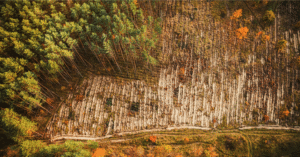
Acreage is usually the first thing land clearing companies consider when creating a quote. The reason is simple: clearing larger tracts typically takes longer and requires larger or multiple machines, which use more fuel. However, cost per acre does not always rise evenly.
Smaller parcels often cost more per acre because it takes more effort to get equipment to the site, and managing debris requires nearly the same effort whether clearing two acres or ten. As acreage increases, the cost per acre may decrease.
Parcel size also affects land clearing prices, depending on the approach. Selective clearing to create recreational trails or hunting land, or to clear a home site, may cost more per acre than complete clearing intended for agriculture or development.
Vegetation Affects Land Clearing Prices, Too
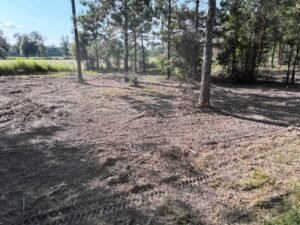
Property owners also need to consider the impact of vegetation on clearing costs. It’s far less expensive and faster to remove light brush and small saplings than it is to take out thick woods or overgrown land with entrenched root systems.
The denser the vegetation, the more complex and costly the clearing process becomes. Properties covered in pine, hardwood, or mixed timber require heavier equipment and skilled operators, like mulchers or excavators with attachments. Thick vines, briars, uneven growth, stumps, large roots, and fallen trees can all increase labor time and wear on machinery, slow progress, and add to disposal needs.
Tricky Terrain Can Drive Up the Price
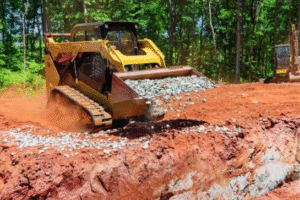
Many property owners don’t realize how terrain affects clearing prices. The lay of the land plays a big part in the crew’s approach to the project. It’s much easier to work in a flat, dry area than one that is uneven, swampy, or hilly. Challenging terrain with poor drainage, soft soil, or rocky sections often requires additional equipment and slower, more deliberate operations, which increases labor time and costs.
Combining Acreage, Vegetation, and Terrain for an Accurate Quote
Land clearing prices are rarely driven by a single factor. Professional companies consider the overall acreage, vegetation, and terrain to determine the project’s total cost. This means that a large, flat pasture with minimal brush might cost less to clear than a smaller property packed with dense timber and uneven ground.
Providers also consider additional factors when determining project costs. For example, if the site is far from roads or has few entry points, limited accessibility can increase costs. Debris disposal plays a role, too; hauling away logs and brush costs more than mulching on site.
Permits may also be required for larger jobs or work in sensitive areas. The soil type and whether the work requires avoiding existing structures add nuance and potential costs.
How To Choose the Right Land Clearing Partner
Local knowledge is one of the most important factors in selecting a land cleaning company. Contractors familiar with the area understand soil conditions, vegetation types, and terrain challenges unique to the region, allowing them to provide more accurate pricing estimates and produce the best results.
A professional land clearing team provides transparent estimates, explains how acreage, vegetation, and terrain affect the price, and recommends solutions that align with the property owner’s plans.
Property owners benefit from requesting quotes from multiple companies. A quick site visit reveals details that photos miss, so you get the most accurate assessment. Comparing services ensures fair pricing without cutting corners on quality or safety.
Get Expert Help With Land Clearing From Sutton Excavation Solutions
Land clearing sets the stage for everything that follows. Knowing how acreage, vegetation, and terrain affect clearing costs helps you make the right choice and avoid unexpected expenses. With the right approach, land clearing can be efficient, cost effective, and tailored to the land’s natural features.
Are you ready to move forward with your project? Contact Sutton Excavation Solutions for a no-obligation assessment. Our experienced crews handle everything from light brush to heavy wooded lots. Call (337) 426-5111 today or request a quote online to discuss your options.